Humidity, mould and wall cracks.
Black spots in the bathroom, a damp patch under the window, a crack that keeps coming back. What causes them, what you can do yourself, and what needs a professional.
Book your free on-site quote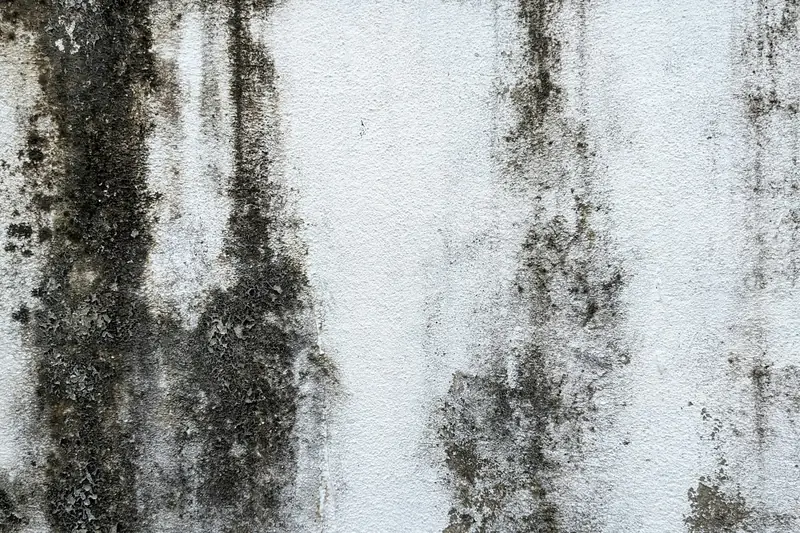
Short answer
Mould on Hong Kong walls is caused by moisture: humid air, condensation, or water coming in from a leak. Fix the moisture first, then clean the mould, let the wall dry, use a stain-blocking primer and repaint. Hairline cracks in plaster are usually cosmetic and can be filled before painting. Wide, growing or stepped cracks, cracks with rust stains, and spalling concrete need a building professional before any painting.
What you need
- Gloves, eye protection and a mask (for mould cleaning)
- Detergent, water, sponges and disposable cloths
- Hygrometer (a cheap humidity meter)
- Dehumidifier
- Scraper, filler and sanding block
- Stain-blocking primer and a mould-resistant topcoat for wet rooms
- Torch and a ruler or crack gauge, to monitor cracks
Step by step
Find the moisture source
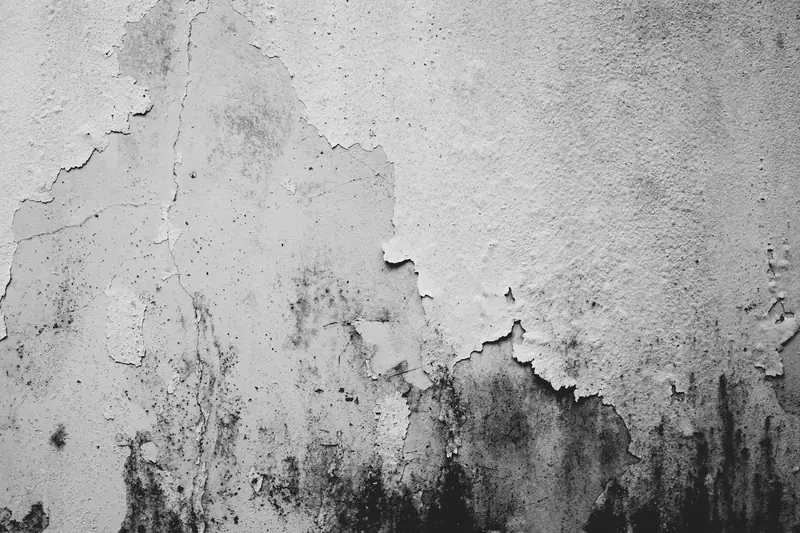
Look at the pattern. Spots in corners, behind wardrobes and on outside walls point to condensation. A damp patch with a tide mark, near a window, pipe, or under a bathroom above, points to a leak.
Measure the humidity
Put a hygrometer in the room for a few days. Hong Kong's Indoor Air Quality guidance advises keeping relative humidity at or below 70% to discourage mould.
Fix the cause first
Reseal leaking windows, report leaks from the flat above to the owner or management, run extractor fans, and keep furniture a few centimetres off outside walls. Repainting before this step is wasted work.
Clean off visible mould
Wear gloves, eye protection and a mask. Clean the surface with detergent and water and dry it thoroughly. Throw away the cloths. Large areas, or mould inside plaster or boards, need professional removal.
Let the wall dry out
The IAQ guidance says water-damaged areas should be dried within 24 to 48 hours to prevent mould growth. Plaster that has been wet for a long time can take much longer. Use a dehumidifier and don't paint until the wall is dry.
Check and record any cracks
Measure each crack, photograph it next to a ruler and date the photo. Check again after a few weeks. A crack that is getting longer or wider needs professional advice.
Repair cosmetic cracks
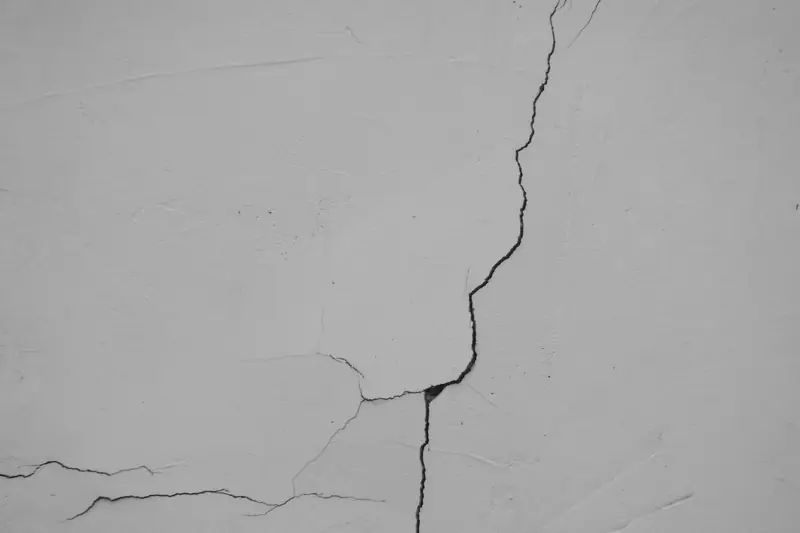
Rake out hairline cracks in plaster, fill, let dry, sand flush and prime. See our wall preparation guide for the full method.
Prime and repaint
Apply a stain-blocking primer over old stains, then a mould-resistant paint in bathrooms and kitchens. Keep the room ventilated afterwards.
Why Hong Kong walls get mouldy
According to the Hong Kong Observatory's 1991–2020 normals, mean relative humidity is about 78% over the year, and at or above 81% from March to August. Early-morning humidity is even higher. When warm, moist air meets a cooler surface, such as an air-conditioned wall, an outside wall at night, or the area behind a wardrobe, water condenses on it. Mould only needs moisture, a surface and time.
The second big cause is water coming in: leaking window seals, cracked external walls, or leaks from the bathroom or pipes of the flat above. Paint cannot hold back water like this, which is why we always say the damp source must be fixed first.
Condensation or leak? How to tell
| Sign | More likely condensation | More likely a leak |
|---|---|---|
| Where | Corners, behind furniture, outside walls, ceilings in bathrooms | Below windows, around pipes, under bathrooms or kitchens above |
| Pattern | Spread-out spots, worse in humid months | A defined patch or a tide mark, often with bubbling or flaking paint |
| Timing | Builds up in spring and summer | Gets worse after rain or when the flat above uses water |
| What helps | Ventilation, dehumidifier, air gaps behind furniture | Repairing the source: seals, pipes or the outside wall |
Which cracks are cosmetic, and which are not
The Buildings Department says owners may repair non-structural cracks themselves, but spalling concrete and structural cracks should be repaired in a timely way by building professionals or registered contractors. Its guidance also says that for structural cracks, the cause should be investigated by an engineer before repair.
- Usually cosmetic: fine hairline cracks in plaster or paint, crazing in old paint, cracks along the joint between a wall and a ceiling or a door frame.
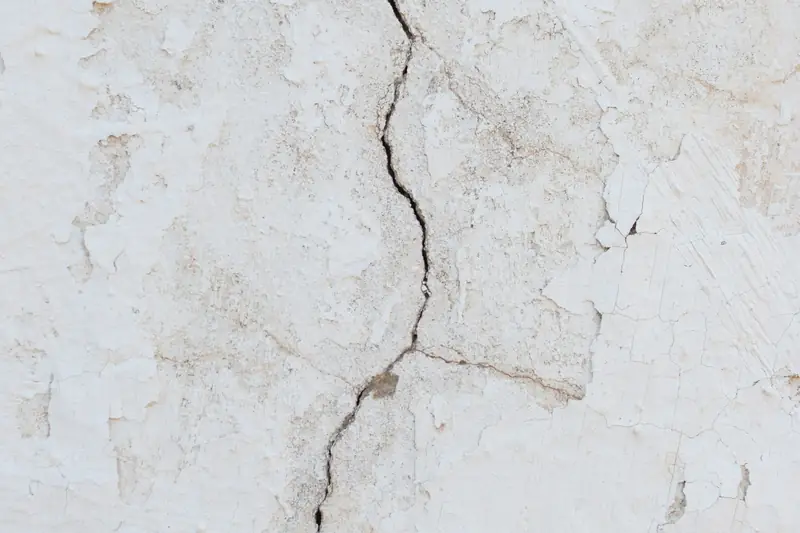
- Get advice before painting: cracks that are growing, wider than a hairline, stepped or diagonal from window corners, cracks in beams or columns, cracks with rust stains, and concrete that bulges, sounds hollow or falls off (spalling).
- Common parts: cracks in external walls, lobbies, staircases or shared slabs are usually the responsibility of the owners' corporation or the management company. Report them rather than repairing them yourself.
Building management and neighbours
If water comes from the flat above, contact its owner and your building management. If there is a dispute about a seepage source, the Joint Office of the Food and Environmental Hygiene Department and the Buildings Department handles water seepage complaints. Keep dated photos of the stains and any cracks; they help everyone understand how the problem has changed.
What affects the cost of a mould or crack repair
We don't publish prices. The amount of work depends on:
- Whether the moisture source is already fixed, or still active.
- How much of the wall is affected, and whether plaster has to be removed and replaced.
- How many cracks there are, and whether the wall needs patching or a full skim coat.
- Stain-blocking primer and specialist paints for wet rooms.
- Drying time, which can add days to the schedule.
- Access, for example ceilings, high walls or areas behind built-in furniture.
We are painters: we don't fix plumbing or structural problems. At the free visit we tell you honestly if something needs fixing before we paint. Where water comes through outside walls, our waterproof coating service may help.
Rather leave it to us?
WhatsApp a few photos of the walls, your location and the dates that suit you. We'll visit for free, check the walls and send a written quotation. No obligation.
Book your free on-site quoteQuestions about this
Will anti-mould paint stop mould coming back?
It helps the paint film resist mould, but it won't stop mould on a wall that stays damp. Fixing the moisture source and keeping humidity down matter more.
Can I paint straight over mould?
No. Clean it off, fix the cause, let the wall dry and use a stain-blocking primer. Otherwise the stain and the mould come back through the new paint.
What humidity should I aim for indoors?
Hong Kong's Indoor Air Quality guidance suggests keeping relative humidity at or below 70% to discourage mould.
Is a crack in my wall dangerous?
Most hairline cracks in plaster are cosmetic. Wide, growing, stepped or diagonal cracks, cracks in beams or columns, and spalling concrete should be checked by a building professional.
Who fixes cracks in the external wall?
External walls are usually common parts. Report them to your owners' corporation or management company.
Can you repaint mould-stained walls?
Yes, once the damp source is fixed. We check the stains at the free visit and tell you what we think is causing them.
Sources
Public sources we used for the Hong Kong facts on this page:
- Hong Kong Observatory: Monthly means of meteorological elements, 1991–2020
- Indoor Air Quality Information Centre: Mould and you (leaflet)
- Buildings Department: Common building defects
More painting guides
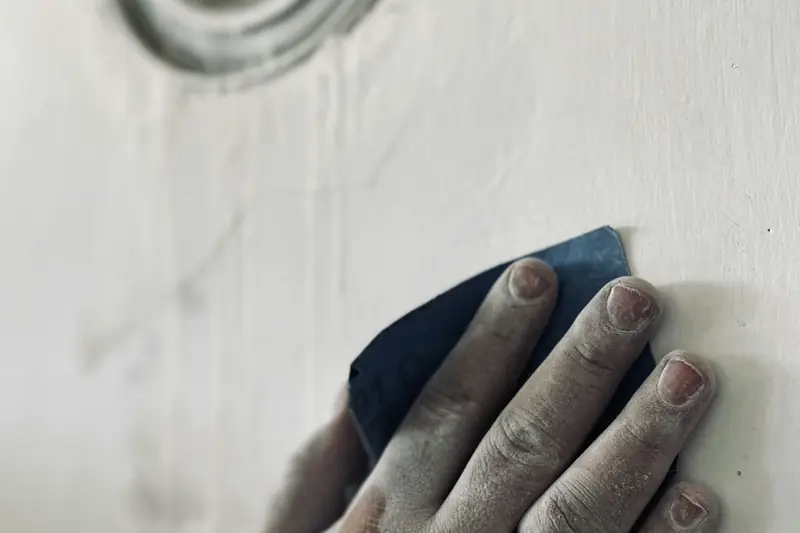
How to prepare walls for painting
Clean, fill, sand, prime: the prep that decides how long a paint job lasts.
9 min read →
Choosing paint and finish
Matt, eggshell, satin or gloss, and how to read a paint tin in Hong Kong.
8 min read →
What affects painting costs
The factors behind a painting quotation, and how to compare quotes fairly.
7 min read →
Related services
Book your free on-site quote.
WhatsApp us a few photos of your walls, your location and the dates that suit you. We'll arrange a free visit, from Mid-Levels to Stanley, Discovery Bay or anywhere else in Hong Kong.
Book your free on-site quoteWhatsApp +852 9282 6014